



Start with the material, check how it is cleaned, and choose a formula that works for your cat and litter box.
Choose Litter by More Than the Name on the Bag
Cat litter names can describe a material, a cleaning method or a feature. Those labels answer different questions. A litter made with plant fibers may still be a clumping formula, while two clay products may need different cleaning routines. Start by reading the ingredients and instructions together, then consider what your cat already uses comfortably.
Compare the Main Litter Materials
| Material or formula | What the label describes | What to check before buying |
|---|---|---|
| Clay | A mineral-based litter; formulas may clump or absorb without clumping | Cleaning instructions, additives and compatibility |
| Tofu or other plant fibers | A plant-based ingredient or blend | Full ingredient list, clumping behavior and storage instructions |
| Paper or wood pellets | A pellet-shaped material with a product-specific cleaning method | Whether a sifting system is needed and whether your cat accepts the texture |
| Silica gel crystals | An absorbent crystal formula | Replacement and stirring instructions, and box compatibility |
| Mixed litter | A combination of materials and other ingredients | Each ingredient and the instructions for the finished blend |
Separate Material from Cleaning Method
Clumping litter forms removable clumps when wet. Non-clumping products absorb moisture without creating the same scoopable clump. The bag's directions determine how to remove waste and when to replace the contents. Match that routine to the time you can realistically give the box, rather than choosing from the ingredient name alone.
clumping vs. non-clumping litter
Check Your Cat, Household and Equipment
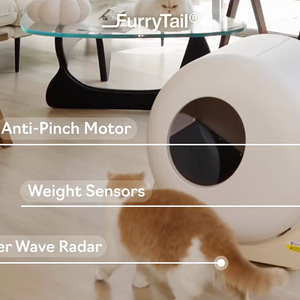
For a kitten, start with the current litter, any tendency to chew or eat it, and advice from your veterinarian. In a multi-cat home, watch how each cat uses the available boxes and how quickly the litter needs attention. For an automatic box, confirm that the exact formula and particle size meet the manufacturer's requirements before filling it.
litter for an automatic litter box
Read a Blend as a Complete Formula
A blend may combine plant fibers with mineral ingredients or other additives. Read the full list instead of treating the first ingredient as the whole product. Then identify whether the finished litter forms clumps, needs sifting or requires another waste-removal method.
| Label detail | What it tells you | What to do with it |
|---|---|---|
| Base ingredients | Which materials are present in the blend | Compare the texture with your cat's familiar litter |
| Clumping or absorbent formula | How the product handles moisture | Match the scoop or replacement routine to the formula |
| Added fragrance or deodorizer | What has been included in the finished product | Choose the additive profile your cat accepts; do not add a separate powder by default |
Make One Change at a Time
Keep a familiar litter option available while introducing a different formula. Follow the litter and box instructions; do not mix materials in a machine unless the manufacturer permits it. Watch for changes in normal use before making another adjustment.
Q: Does the material name tell me whether litter is low dust? No. Check the specific product's claims and instructions, then observe normal use.
Q: Can any clumping litter go into an automatic box? Check the exact box requirements, including particle size and fill level.


