



Start with a familiar texture, then choose between absorbent pellets and scoopable clumps for your kitten's needs.
Choose for Your Kitten's Behavior Before Your Cleaning Preference
The best cat litter for kittens is a type your kitten can use comfortably and that fits how they explore the box. If the current litter is working, keep it available during the move home rather than changing texture, scent and surroundings together.
- A familiar litter is working: begin there, then consider a change only for a clear reason, such as difficult cleanup or dust during normal use.
- Your kitten mouths or eats litter: contact your veterinarian and discuss a fragrance-free, non-clumping paper option. Avoid choosing clay-clumping litter while ingestion is a concern. Paper and plant ingredients are not food.
- Your kitten uses litter normally and you want scoopable waste: discuss an appropriate clumping formula with your veterinarian, then compare texture and waste removal rather than switching by age alone.
Veterinarian-reviewed kitten litter guidance from Whisker identifies ingestion as a key reason to distinguish clumping clay from non-clumping options.
Compare What Happens After the Litter Gets Wet
| Litter type | How it handles urine | When to consider it | Main trade-off | What rules it out for now |
|---|---|---|---|---|
| Non-clumping paper pellets | Absorb liquid; wet pellets are removed rather than lifted as a solid urine clump | A non-clumping starting option to discuss when mouthing is a concern | Pellet texture differs from sand, and removing wet material needs a different scooping technique | Continued eating or refusal of the texture needs advice, not a larger supply of the same litter |
| Non-clumping pine pellets | Absorb urine and break down into sawdust | A kitten already accustomed to pine, with a caregiver comfortable managing the broken-down material | You manage sawdust as well as solid waste; it is not a clump-and-lift routine | A kitten that chews pellets or a box that requires clumping litter |
| Unscented clumping clay | Binds wet litter into removable clumps | A kitten with no observed mouthing, when the veterinarian considers the formula appropriate | Convenient urine removal, balanced against ingestion concerns and the exact formula's dust performance | Mouthing or eating the litter |
| Plant-based clumping litter, such as corn or tofu | Forms scoopable clumps using the finished formula | A possible alternative when clumping is appropriate and the kitten accepts its texture | Plant origin does not remove the need to assess ingestion, additives or equipment fit | Eating the formula, or a machine that does not permit it |
| Non-clumping silica-gel crystals | Absorb moisture without forming urine clumps | A later comparison when the kitten is not eating litter and the care team considers it appropriate | Different underfoot texture and a stir-and-replace routine rather than urine-clump removal | A kitten that mouths crystals or equipment that requires a different litter mechanism |
For a concrete paper example, Fresh News explains that its wet pellets darken and expand, making them identifiable for removal. Feline Pine describes a different mechanism: its non-clumping pine pellets become sawdust. Those two pellet types therefore require different cleanup routines.
Compare the cleaning methods in the clumping vs. non-clumping litter guide before choosing your first bag.
Pick a Starting Route for Your Home
1. New arrival, reliable litter use, familiar formula available. Buy a small supply of that exact formula first. A familiar sand-like litter and an unfamiliar pellet are not interchangeable simply because both are unscented. Keep the first box easy to enter and avoid changing the box and litter together.
2. Mouthing, eating or an uncertain history. Ask your veterinarian about non-clumping paper litter before trying clumping clay. Paper offers an absorbent route without urine clumps, but the choice still depends on whether your kitten leaves the pellets alone and uses the box. If litter has been swallowed, call the veterinarian with the product name and packaging; do not treat a switch of materials as treatment.
3. Normal box use, no observed eating, and daily urine removal is the priority. Compare an unscented clumping formula with the current litter after discussing suitability. Choose a small bag and a manual trial box. If your kitten rejects larger pellets, a finer texture may be a better candidate than repeatedly changing between pellet brands.
Choose one route first. Buying several large bags before establishing acceptance creates more choices to manage without making the first decision easier.
Introduce One Formula in an Easy-to-Use Box
- Keep the familiar box available and offer the candidate in another accessible manual box. Use a quiet area away from food and water.
- Fill according to the candidate's directions. Use a similar box for the comparison so the main change is the litter, rather than the entrance or cover.
- Remove solid waste promptly. For clumping litter, lift urine clumps without breaking them apart. For paper pellets, remove wet pellets as directed; for pine, follow the product's method for managing sawdust.
- Continue only while your kitten uses the box comfortably. Return to the familiar option if the new texture puts them off, and seek advice about persistent changes or discomfort.
Use the kitten litter box training guide for placement, introductions and the learning routine. Use the litter box cleaning routine for washing and resetting the box.
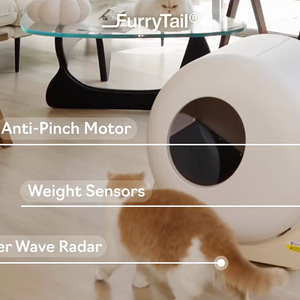
An automatic box introduces a separate decision. A non-clumping paper or pine option may suit the current litter plan while being unsuitable for a machine that separates clumps. Read the automatic box litter compatibility guide and the exact model's operating instructions before making that change.
Keep a Kitten-Suitable Option in a Mixed-Age Home
A kitten and an adult cat may need different litter arrangements. Start with a suitable familiar option for each cat, then decide whether a shared formula actually meets both cats' needs. Buying one large bag for the household comes after that decision.
| Household situation | Litter decision | Setup to keep available |
|---|---|---|
| Both cats comfortably use the same suitable formula | Keep the familiar formula while the kitten settles | Separate, accessible boxes so the kitten can reach a clean option |
| The kitten mouths litter while the adult uses a clumping product | Discuss the kitten's choice with your veterinarian before adopting the adult's formula | A suitable manual box for the kitten, alongside the adult's established options |
| The adult uses an automatic box with specific litter requirements | Check the device's age, weight and litter rules separately from the bag choice | An accessible manual option while the kitten's equipment suitability is being assessed |
Observe which cat uses each box and whether both remain comfortable. Keep formulas identifiable when topping up, and follow each product's cleaning method. Use the litter box numbers and placement guide to arrange the available boxes around the home.
Questions About Choosing Kitten Litter
Q: At what age should I switch to clumping litter? Use your kitten's behavior and veterinary advice, rather than a birthday alone. A kitten that still eats litter needs a different decision from one using the box normally, even if they are the same age.
Q: Is tofu or corn litter automatically a better kitten choice? No. A plant-based formula can still clump and can contain several ingredients. Compare the finished product and your kitten's behavior; plant origin is not permission to eat it.
Q: Does my kitten need a different litter just because the bag says “kitten”? Choose for the actual problem. If a familiar formula is appropriate and working, the label alone is not a reason to replace it. If the problem is mouthing, difficult cleanup or texture refusal, use those needs to narrow the options.


