


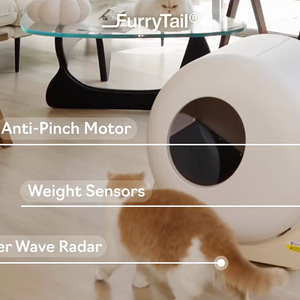

Choose the design you can keep clean, with enough room for your cat and a practical route for removing waste.
Choose the Routine Before the Features
The best litter box for odor control is one your cat uses comfortably and you can keep clean. Start with the work you want to change. If you value a clear view of the litter and quick access for scooping, begin with an open box. If you prefer a cover, compare how easily it lifts off and whether the interior still gives your cat room to move. If you want automatic waste collection, compare the drawer, compatible litter and maintenance together.
A cover can hide waste from view without removing it. Automatic collection changes where waste waits for removal; the drawer still needs attention. Make the choice around the entire waste-handling routine. Compare box designs, follow the waste-handling path or start with the household examples.
Compare Open, Covered and Automatic Designs
| Design | What it makes easier | Trade-off to accept | A practical starting point when… |
|---|---|---|---|
| Open box | Seeing deposits and reaching the litter surface | Waste stays in the litter until you scoop it | You prefer direct access and can scoop consistently |
| Covered box | Screening the litter area from view | A cover adds surfaces to wash and may retain smells inside | Your cat accepts the enclosed space and the cover comes off easily |
| Automatic box | Moving waste away from the usable litter area through a cleaning cycle | A drawer, moving components and suitable litter become part of upkeep | You want to reduce manual scooping and can maintain the exact model |
The AAFP/ISFM house-soiling guidelines emphasize access and cleaning when considering box design. Choose for your cat's use as well as the room's appearance.
Follow the Waste All the Way Out
For a manual box, the waste path is litter surface → scoop → disposal bag → household waste. For an automatic box, add the collection drawer between cleaning and removal. Check whether you can reach the drawer, remove the bag and clean the surrounding surfaces without shifting the whole setup.
Bag fit matters at the collection stage: the opening needs to stay in place while loose material stays clear of moving parts. For the Automatic Litter Box Pro, review the matching Pro litter waste bags. These bags collect waste in the Pro drawer; they are not a covering for the litter surface your cat digs in.

Compare What You Will Need to Clean
Look beyond the main tray. A covered box adds a lid and seams; an automatic box may add a drum, drawer and sensing areas. Before choosing, identify which parts can be removed, what can be washed and what must stay dry. Include drying and reassembly in the time you allow for a full clean.
Use the same questions for each candidate: Can I reach the corners? Can the waste container come out fully? Can I handle the parts comfortably? Where will they dry? Follow our litter box hygiene guide for the full cleaning sequence.
Match the Design to Your Household
| Your situation | Start by comparing | Finish this check before choosing |
|---|---|---|
| You want a simple setup with visible waste and few components | A roomy open box | Confirm that you can reach it for scooping and a full wash |
| You prefer a screened litter area in a shared room | A removable cover alongside an open option | Check your cat's entry, turning room and willingness to use it |
| You want less manual scooping and have space for powered equipment | An automatic model and its waste supplies | Check model eligibility, litter requirements and drawer access |
For each route, use the litter box size guide before deciding that a compact exterior will suit your cat. Complete the space and access checks before moving on to a particular model.

Check Fit, Litter and Supplies Before You Buy
Before choosing a box, complete these five checks:
-
Interior space for your cat.
-
An entrance your cat can use comfortably.
-
The litter permitted for the exact model.
-
Access and steps for emptying and cleaning.
-
The supplies you will need to replace.
Compare the Poop \& Scoop collection for the Pro and its waste bags. Use our litter amount guide to separate ordinary tray depth from equipment fill instructions. If you already have a box and the problem is a new smell, follow the litter box odor checklist rather than assuming you need a different model.


