



Compare the pellet texture and cleanup method before changing a litter routine your cat already knows.
Read the Formula, Not Just the Word Pine
Pine describes a material, while pellet describes a shape. Read the finished product's label to establish whether it is non-clumping, clumping or intended for a particular tray. A fine pine-based clumping product does not have the same cleanup method as non-clumping pellets.
This guide focuses on non-clumping pine pellets sold as cat litter. Choose a product identified for that use and follow its directions; the appearance of a wood pellet alone does not establish its ingredients or suitability. For the wider choice of materials, compare our types of cat litter guide.
Expect Wet Pellets to Change Form
Feline Pine's manufacturer FAQ describes its non-clumping pellets absorbing urine and breaking down into sawdust. This changes what you remove: you manage solid waste and broken-down material rather than lifting one firm urine clump.
That can suit a caregiver comfortable with a pellet-specific routine. The trade-off is that a tidy layer of intact pellets does not show everything underneath. Check the used material as directed, and expect a different texture under your cat's paws. Pine material alone does not establish that a formula is dust-free, universally accepted or suitable for a powered box.
Match the Tray to the Product's Cleaning Method
| Setup | How the routine differs | What to confirm |
|---|---|---|
| Ordinary solid-bottom tray | Solid waste is scooped; broken-down material stays or is removed according to the litter instructions | The manufacturer's replacement method and how to inspect the lower layer |
| Compatible sifting tray | A screen separates intact pellets from smaller used material | Screen size, lower-tray access and the directions for both tray and litter |
A sifting tray is an option when the litter and tray are designed to work together. It is not a universal requirement for all pine products. Read our clumping and non-clumping comparison if you are changing from a clump-and-lift routine.

Keep Solid Waste Removal and Tray Replacement Separate
-
Remove solid waste daily and check the litter condition as directed by the product.
-
Inspect the broken-down layer. In a compatible sifting setup, separate material using the tray's method; in an ordinary tray, follow the litter's own directions rather than adopting a different brand's rule.
-
When the product calls for a full change, empty the tray, clean it using suitable instructions and dry it before refilling.
-
Close the remaining bag and store it dry, away from pets and children.
Bag used litter for the appropriate household disposal route. Our litter box hygiene guide covers the surrounding cleaning routine. Follow the pine product's fill amount rather than transferring a clumping-litter quantity.
Decide Whether the Texture and Routine Suit Your Cat
Consider a trial when you have a reason to change and can manage the product's cleanup method. Keep the familiar option if your cat already toilets comfortably and the only attraction is a material label. A larger pellet feels different from fine litter, so acceptance matters as much as your cleaning preference.
Introduce the new option gradually according to the litter directions, with a familiar tray still available. Watch willing entry, digging and ordinary elimination. If your cat avoids the new surface, stop making additional changes and return to a comfortable setup. Seek veterinary advice for a sudden toileting change or signs of discomfort.

Check Automatic Equipment Before Using Pellets
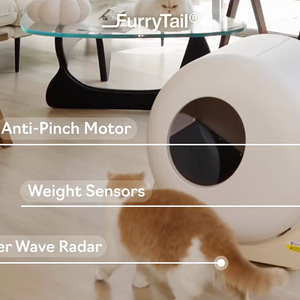
An automatic box may require a specific clumping behavior and particle size. Non-clumping pellets that become sawdust should not be assumed to work with a system designed to separate clumps. Confirm the exact product against the machine's current instructions before filling it.
| Equipment check | What to confirm before filling |
|---|---|
| Litter formula | The exact machine permits the litter's clumping or non-clumping behavior |
| Particle characteristics | Pellet dimensions and the wet material meet the model's stated requirements |
| Cleaning mechanism | The model's separation and waste-removal process is designed for that litter; check how wet sawdust would be handled |
Use the automatic litter box litter guide for equipment checks, and the Automatic Litter Box Pro page for that model's care and setup. If you need help identifying a permitted formula, contact product support.


