



The leaves are turning, the evenings are cooler—and your usually quiet cat has suddenly become very vocal. She may be rolling on the floor, rubbing against furniture or showing a new fascination with the front door.
If she hasn’t been spayed, these behaviors could be signs of heat. And while kitten season is often associated with spring, reproductive activity can continue into fall.
Here’s how cats mate, what heat can look like and how to care for your cat during this time.
Why Cats Can Still Go Into Heat in Fall

Female cats are seasonally polyestrous, meaning they can have repeated heat cycles during their breeding season. Daylight plays an important role in regulating these cycles.
In the Northern Hemisphere, breeding season can begin in late winter and continue into fall. The timing varies with location and environmental conditions. Cats living indoors under artificial lighting may cycle throughout the year.
That’s why cooler weather doesn’t necessarily mean kitten season is over. In many communities, kittens continue arriving at shelters well beyond summer, especially in regions with mild climates.
Common Signs Your Cat Is in Heat
Heat, also called estrus, is the period when an unspayed female cat can become receptive to mating. Common signs include:
- Loud calling or yowling: More frequent, persistent vocalizing, sometimes especially noticeable at night.
- Rolling and rubbing: Rubbing against people, furniture or doorframes and rolling on the floor.
- A distinctive posture: Raising her hindquarters, stepping with her back feet and holding her tail to one side.
- Restlessness: Pacing, seeking more attention or having difficulty settling.
- Escape attempts: Showing increased interest in doors and windows.
A heat typically lasts about a week, although its length can vary considerably. If pregnancy doesn’t occur, cycles may repeat every few weeks during the breeding season.
No single behavior confirms that a cat is in heat. Rolling and vocalizing can have other causes, so ask your veterinarian about new, persistent or concerning changes.
Male cats do not go into heat, but unneutered males may respond to females in heat by roaming, calling, fighting or spraying urine.
How Do Cats Mate?
When a female cat is receptive, she may lower the front of her body, raise her hindquarters and move her tail to one side. The male mounts her from behind and may grip the loose skin at the back of her neck.
Cats are induced ovulators, which means mating usually stimulates the release of eggs. Multiple matings may occur during a heat cycle.
A cat can become pregnant during her first heat, even while she still looks like a kitten. If your cat hasn’t been spayed, keep her indoors and separated from unneutered males. Check that window screens are secure and take extra care when opening exterior doors.
From Mating to Kittens
Cat pregnancy lasts approximately nine weeks. A mating in early October could therefore result in kittens arriving in early December.
A mother cat can also return to heat after giving birth, including while she is still nursing. Nursing should not be relied on to prevent another pregnancy.
If you think your cat may have mated or could be pregnant, contact your veterinarian for advice.
Planning Ahead: Spaying and Neutering
For pet cats, spaying or neutering helps prevent unplanned litters and can reduce certain reproductive health risks and mating-related behaviors.
Spaying prevents future heat cycles and pregnancy. Neutering males can reduce mating-related roaming, fighting and urine marking, although it may not eliminate every established behavior.
Many U.S. veterinary organizations support spaying or neutering cats by five months of age. Talk with your veterinarian early about the right timing for your kitten’s health and circumstances.
There is no need for a female cat to have a litter before being spayed.
Supporting Your Cat’s Everyday Comfort
While you arrange veterinary care, keep your cat’s routine predictable. Offer gentle play if she is interested, familiar places to scratch and a quiet area where she can rest undisturbed.
These everyday comforts do not stop heat cycles or prevent pregnancy, but they help maintain a familiar home environment.
Colossal Curvy Clawer: A Familiar Place to Scratch and Stretch

Scratching is part of normal feline behavior. It gives cats a place to stretch, maintain their claws and leave scent marks.
The FurryTail Colossal Curvy Clawer provides a dedicated scratching surface with a sculptural shape that fits naturally into contemporary interiors. Its tall design gives your cat room for an upward stretch.
Place it somewhere your cat already enjoys spending time, with enough clear floor space for a comfortable approach.
Boss Cat Bed: A Comfortable Place to Rest

A quiet resting area is part of a familiar daily routine. Give your cat space to settle, and let her choose when to rest or interact.
The FurryTail Boss Cat Bed pairs a rounded shell with a soft interior lining and a gently tilted seat. Its 360° rotating design lets you adjust the opening’s direction to suit your space. Place it in a quiet corner your cat already enjoys, with a clear path in and out.
Automatic Litter Box Pro: A Cleaner Daily Routine

Keeping the litter box clean remains an important part of everyday cat care.
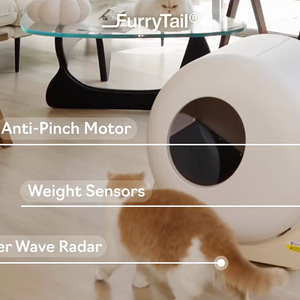
The FurryTail Automatic Litter Box Pro automatically cleans after your cat’s visit and collects waste in a separate compartment, helping reduce daily scooping. The FurryTail app also lets you review recorded litter box activity and notice changes in your cat’s usual routine.
Urine spraying outside the box is a separate issue that an automatic litter box cannot resolve. If your cat’s toileting habits change, speak with your veterinarian.
A Little Planning for a More Comfortable Fall
Kitten season can continue after summer, and indoor cats may experience heat cycles throughout the year. Recognizing the signs, preventing accidental mating and discussing spaying or neutering with your veterinarian are the most useful steps you can take.
At home, keep the basics consistent: a familiar scratching spot, a quiet resting area and a clean litter box.
Explore FurryTail’s cat furniture and everyday care essentials to create a comfortable space for the routines your cat loves.
This article provides general educational information and is not a substitute for veterinary advice. Contact your veterinarian about reproductive health, unusual behavior or the appropriate timing of spaying and neutering.
Shop the FurryTail Colossal Curvy Clawer


